Play is how young children make sense of the world. Our curriculum follows that lead — supporting the whole child, at the child’s own pace.
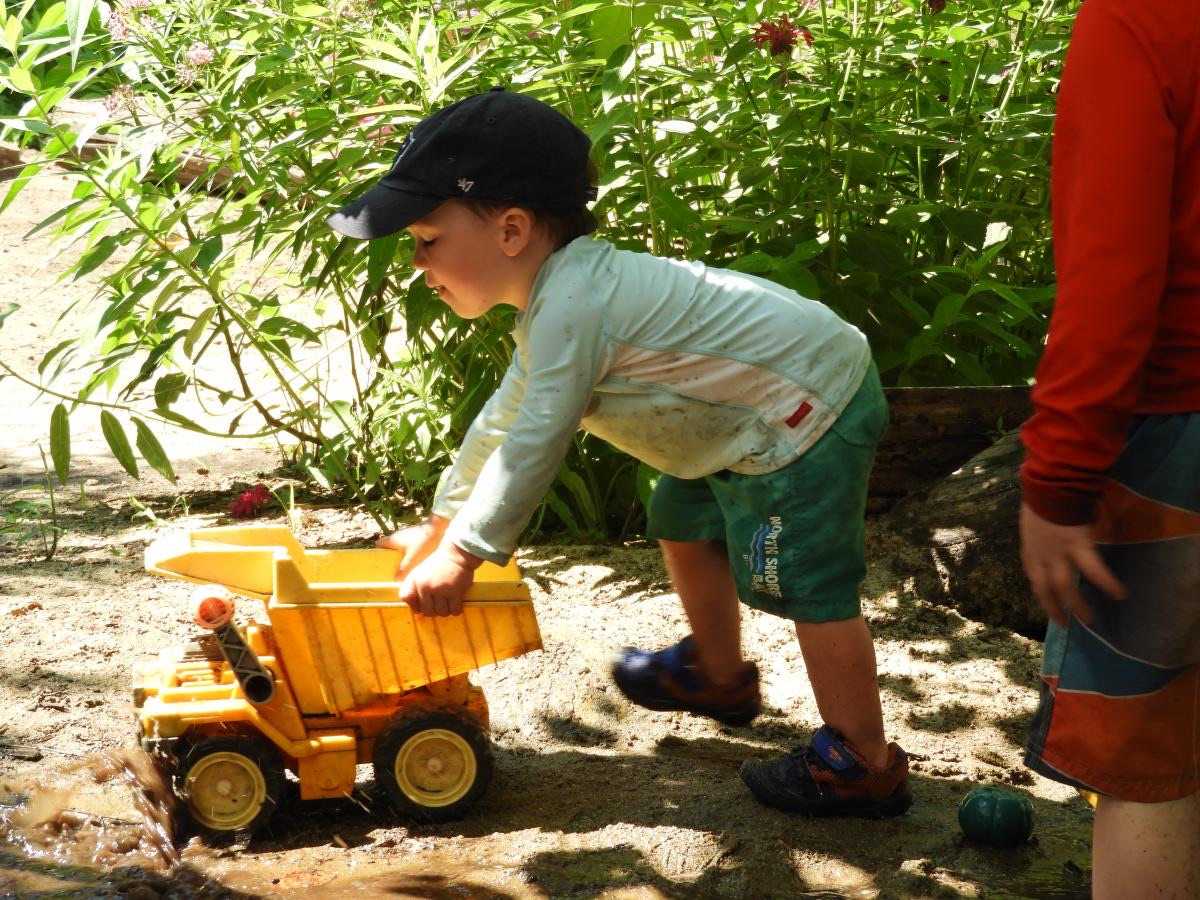
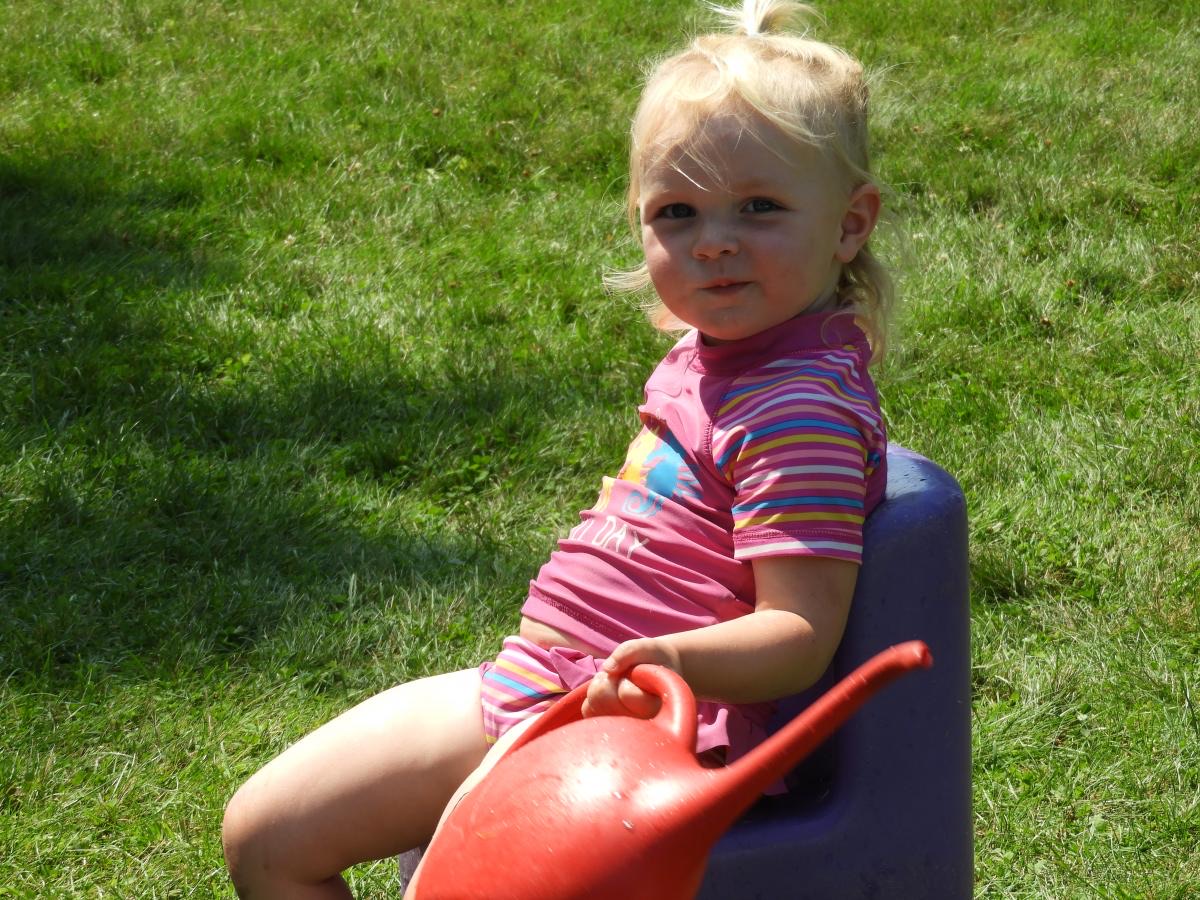
In a play-based classroom, learning is active. Building with blocks, making art, digging in the sand, working out a dispute in the dramatic-play corner, experimenting with sensory materials, solving a problem together outside — every one of those is where critical thinking, language, literacy, math, science, and social skills get built.
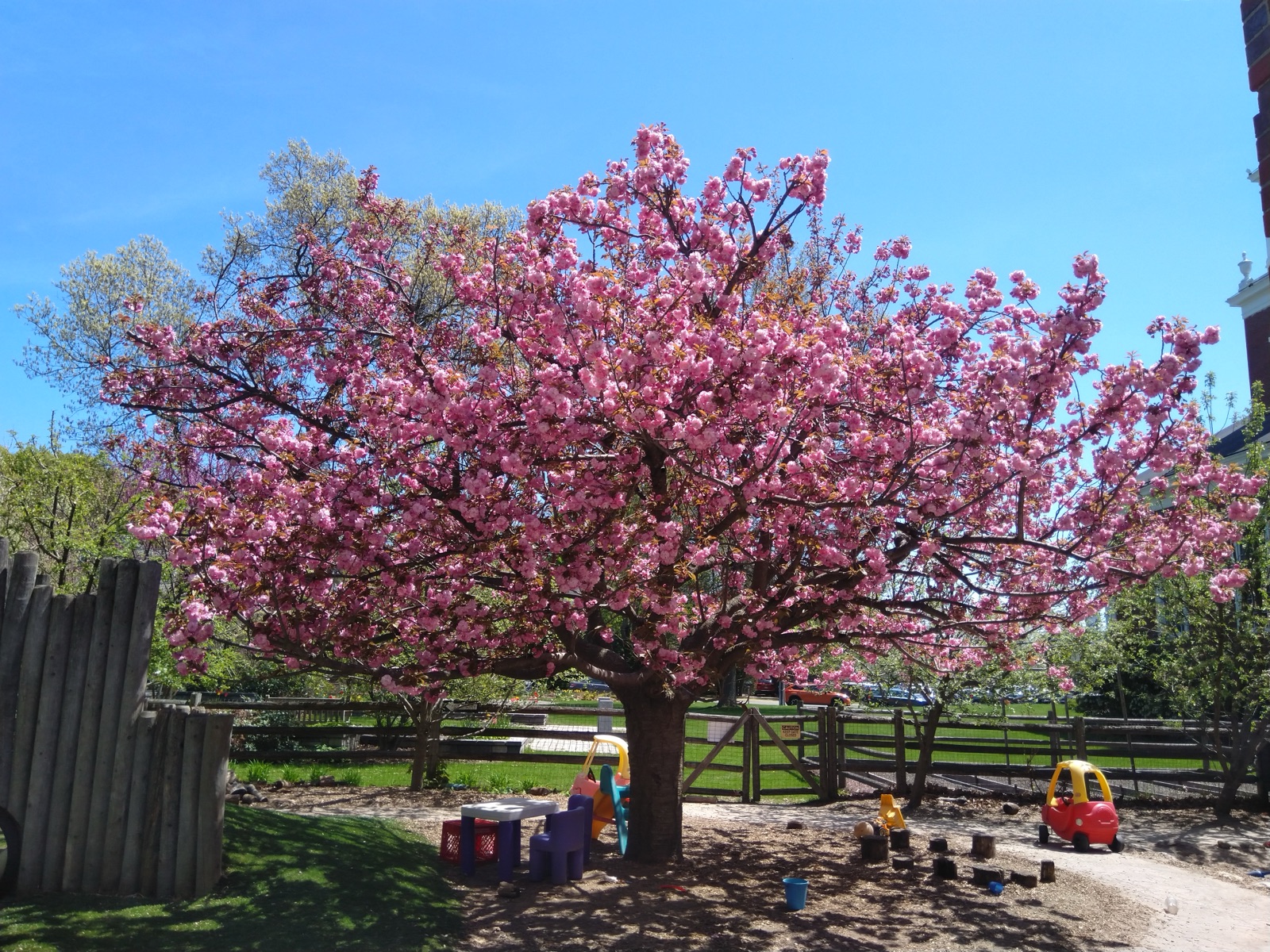
Teachers set up the room around what the children are working on right now. Materials and layouts invite open-ended exploration without taking over the work.
Play is also how kids learn the social-emotional skills they can only learn from each other: communicating ideas, taking turns, regulating emotions, practicing empathy, navigating friendships, sticking with hard things. Those skills are the foundation everything else gets built on.